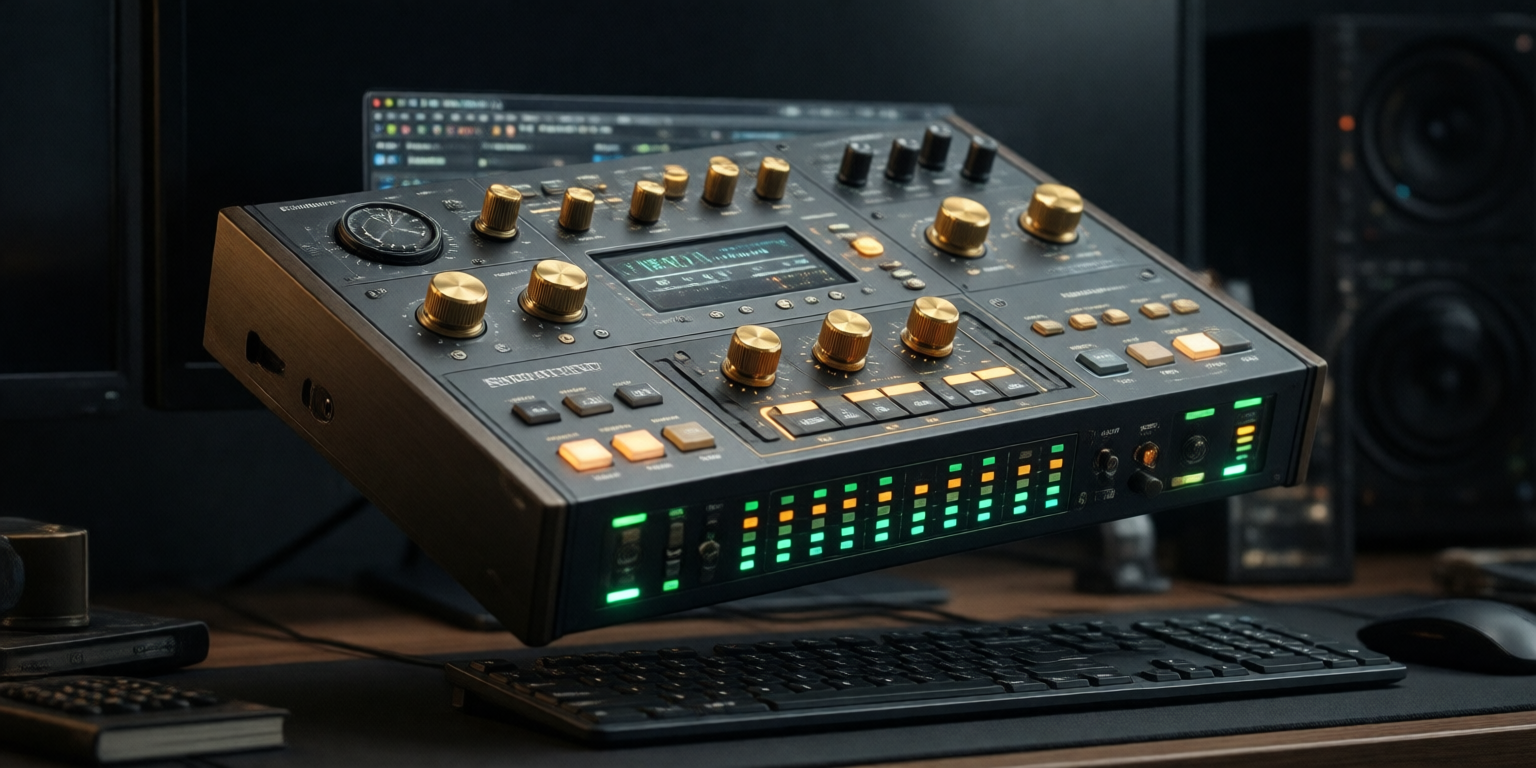

v2 playground is live
reWavz v1 (media-studio template) is frozen under versions/v1. This pass is the first real house: step editor, plugin bundles, interface UX.

reWavz is Jon Beatz's personal step editor and plugin house — a Making Waves descendant, rebuilt as the instrument the rest of the desk has to obey.
We write a custom DAW/sequencer, then ship VST instruments, effects, and bundles that share its chrome. When hardware is in play, the audio-interface faceplate and OLED step-strip are designed with the editor — not stickered on after. One grid language. Versioned looks on disk so a playground never overwrites a look you still like.
“If the step does not feel like a hit, the sound will not either.” — Jon Beatz
Editor / House
Drag · scrub · or use arrows to browse
// Manual
Four house rules. Pick a beat — copy and still stay in the same frame.
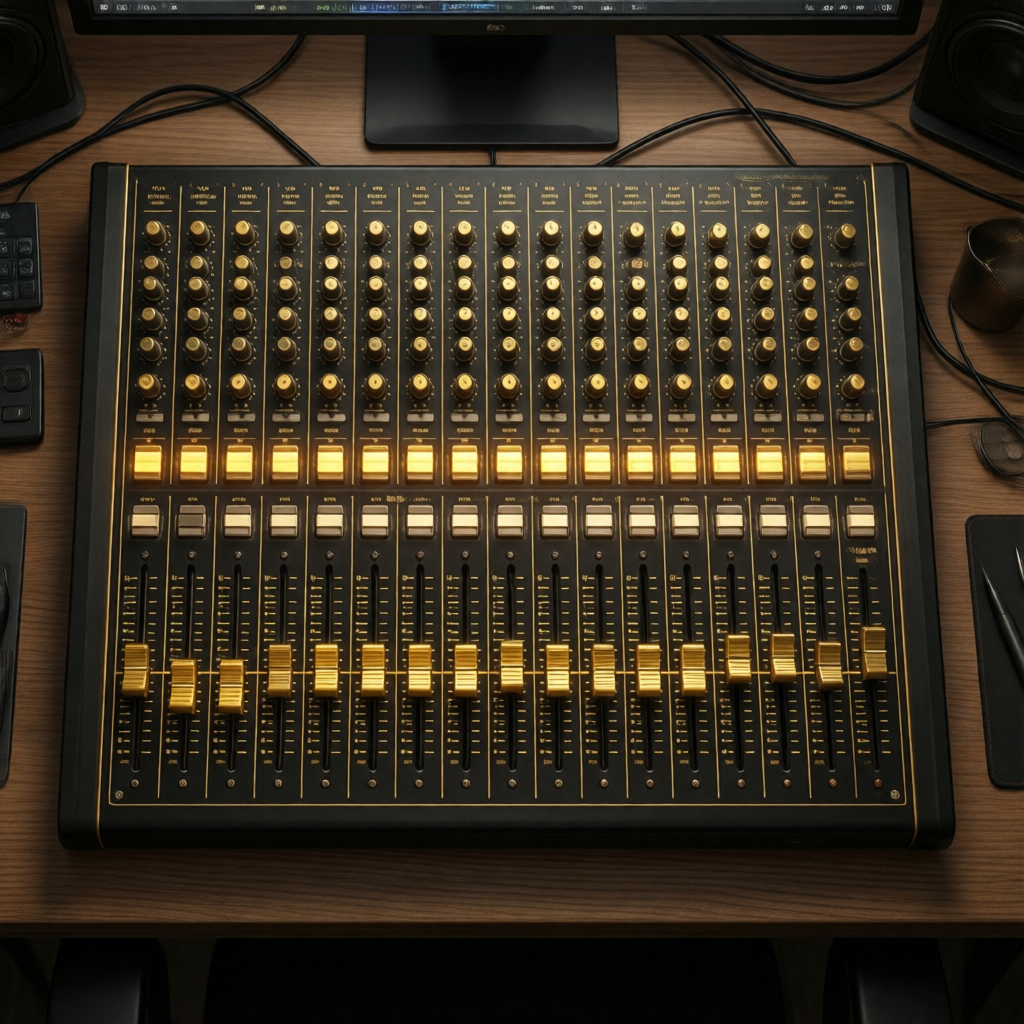
Manual 01
Step editor / core
Sixteen-step home view, velocity bars, pattern chain. The Making Waves muscle memory, rebuilt.
VST bundle
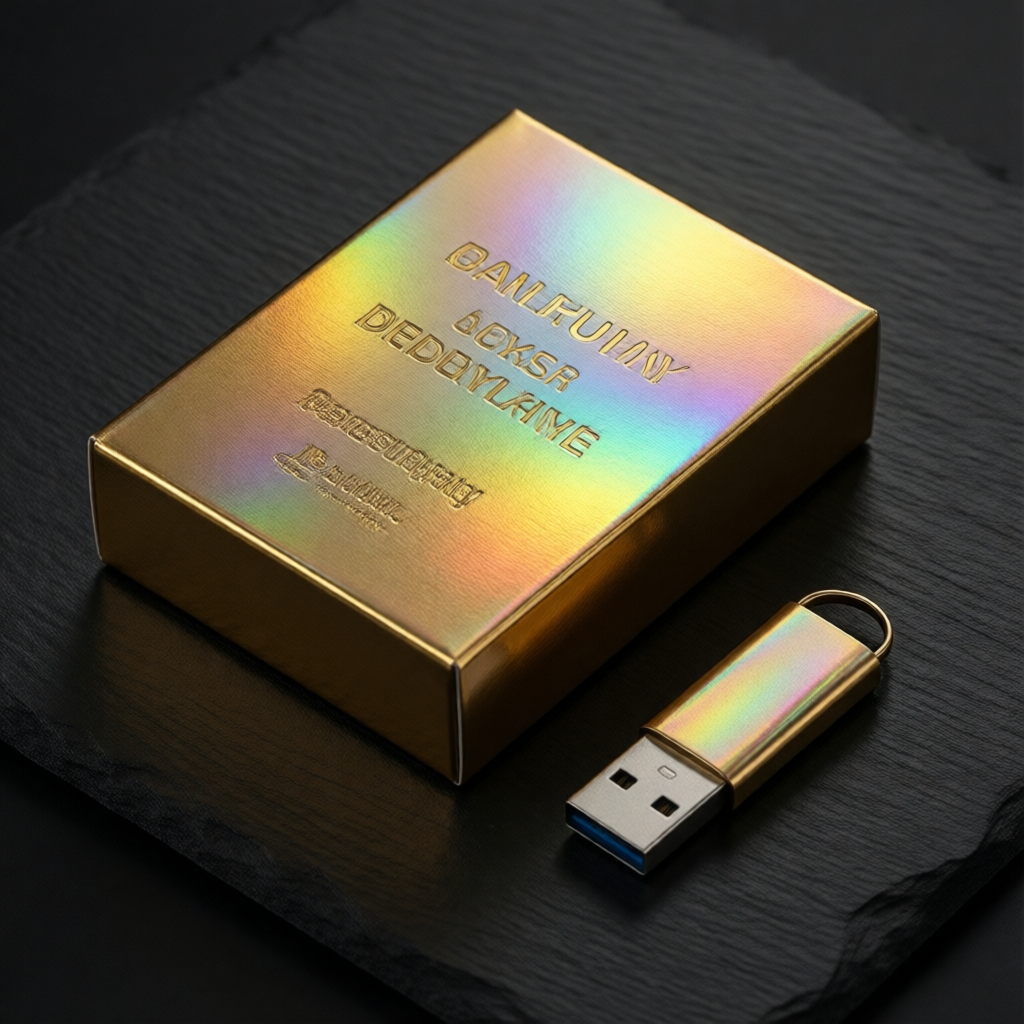
First instrument + utility pair sharing the gold foil language.
Editor / mixer
Channel strip that reads like hardware without faking a 90s JPEG.
Performance
Scene launch from the same grid you program. Laptop plus lit hardware.
Interface UX
OLED step-strip and encoder map designed next to the editor, not as a skin on a OEM board.
Instrument
Sampler-instrument sketch: slice to steps, gold transport, no stock skin.
Plugin chrome
Foil hover language for preset cards — playground from GodUI holographic card.
Editor docs UX
Feature walk pinned to the right as you scroll the spec — GodUI sticky-scroll pattern.
Brand motion
Wordmark aurora on WAVZ. CSS-only, reduced-motion safe.
Lab still
Dual-screen composer desk running the editor at night.
Editor / banks
Bank names like tape labels. Save, duplicate, flip.
“Design the grid first. The plugin is a citizen of the grid.”
Grid / Voice / Box / Ship
Lock the step language — count, velocity, swing, bank — before a single plugin window exists.
Instruments and effects get the same chrome: gold foil, graphite metal, meters that can be read at arm’s length.
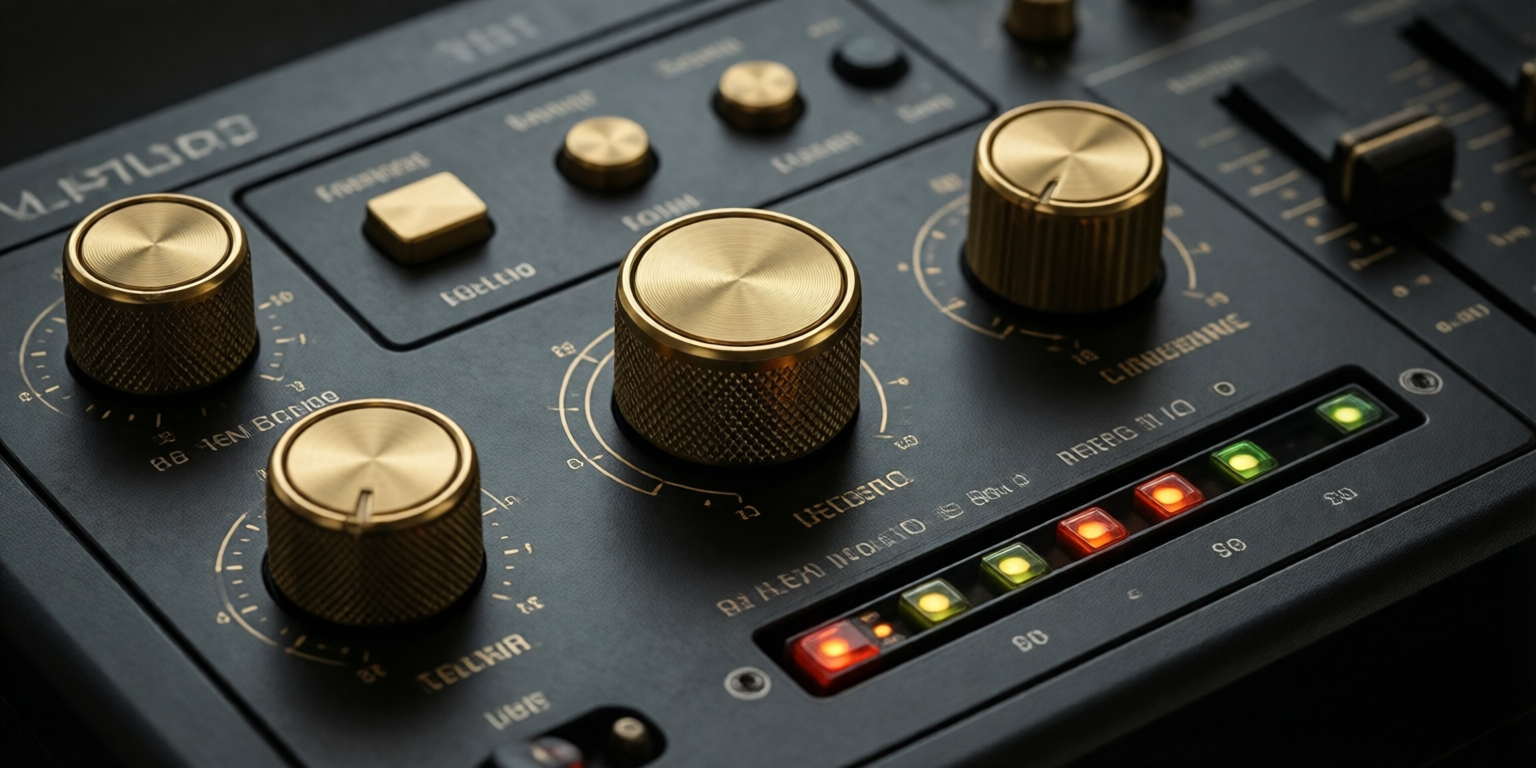
Each plugin is a product, not a preset pack with a skin. Knobs have jobs. Labels are short.
You get one direction to react to — we would rather commit to a foil language than hedge across three skins.
When hardware is in play, the OLED and encoders are designed with the editor, not stickered on later.
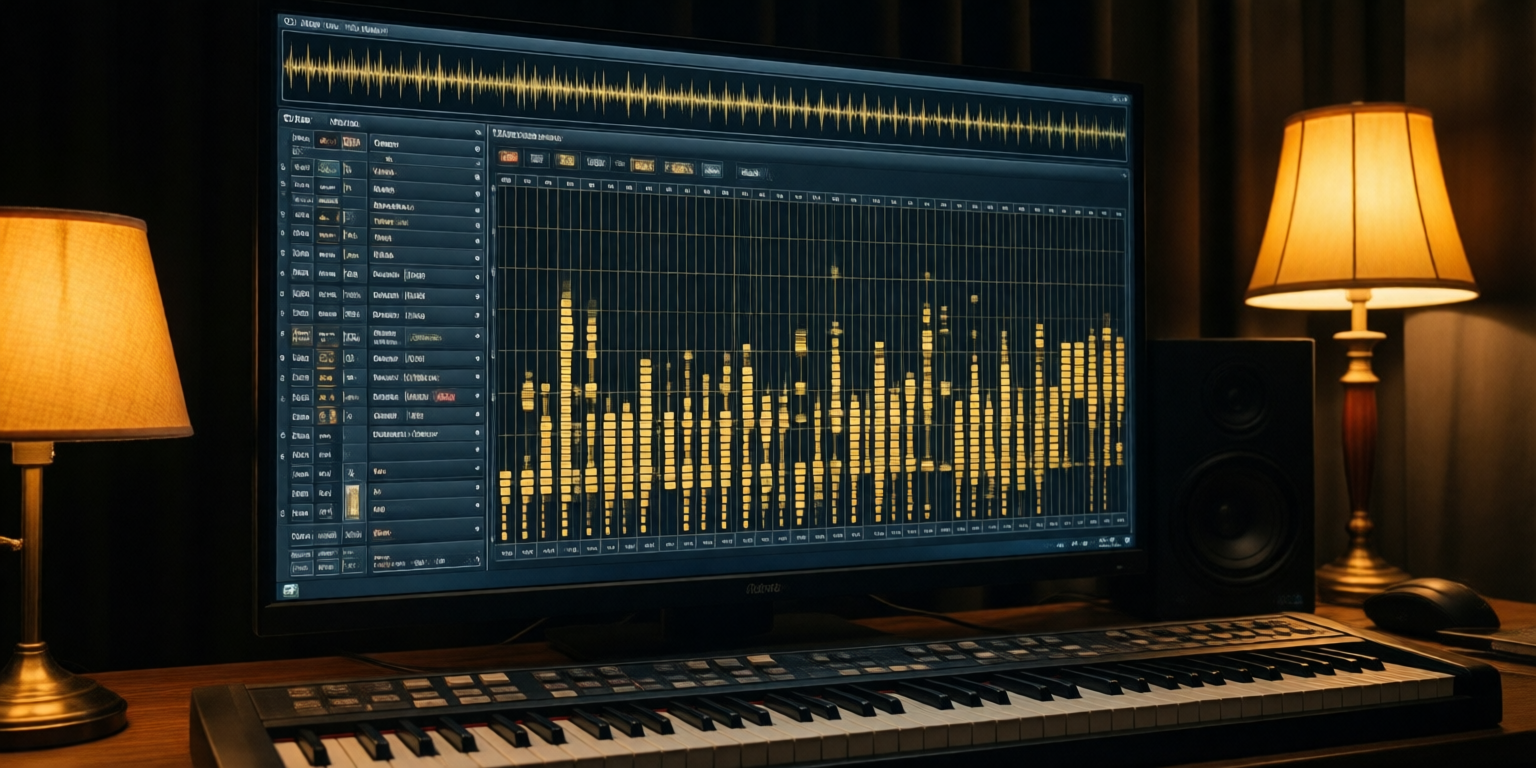
Pattern, mix, and live banks in one executable.
Versioned playgrounds (v1 frozen, v2 live). Bundles, installers, and UI kits leave with a spec, not a vibe.
Keepers live in public/images. Looks you like get a folder under versions/ without waiting on GitHub.
Git still records the keepers. Folders are how we sit two looks on disk at once.
Custom DAW/sequencer — patterns, velocity, chain, export to your host of record.
Synths and samplers with house UI, not a generic skin on someone else's kit.
Color and utility plugins that match the editor gold/graphite system.
Faceplates, OLED maps, and firmware copy for boxes that talk to the grid.
reWavz v1 (media-studio template) is frozen under versions/v1. This pass is the first real house: step editor, plugin bundles, interface UX.

The old step editor muscle memory — tap, velocity, pattern — is the product, not a nostalgic skin. We are drawing our own window chrome.
“If the step does not feel like a hit, the sound will not either.”